Warning! Web API Url is not set for the Speaker Bios.
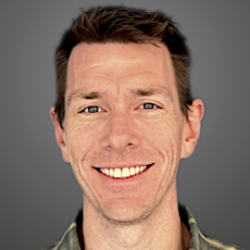 Warren Anderson, PhD, Scientist III, Immunology, Inceptor Bio
Senior Scientist
Inceptor BioDr. Warren Anderson is an expert in cellular engineering and immunology, who has studied T cell biology throughout his scientific career. He received his PhD and post doctoral training at the University of Washington where he researched the use of gene editing platforms to interrogate genetic variants associated with autoimmunity. Currently, Dr. Anderson is a Senior Scientist with Inceptor Bio, leading molecular biology efforts with Inceptor's research and development team and developing multiple cell therapy programs intended for the treatment of solid tumors, the first of which is now entering clinical trial. Prior to his graduate studies, Dr. Anderson was a member of the US National Rowing Team, representing Team USA in multiple international events and was an alternate of the 2008 Olympic Team.
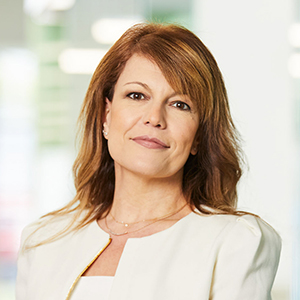 Francesca Barone, PhD, CSO, Candel Therapeutics
Chief Scientific Officer
Candel TherapeuticsDr. Francesca Barone serves as Chief Scientific Officer at Candel Therapeutics. She oversees scientific discovery, the development of our novel viral oncolytic immunotherapies and our biomarker strategy across our broad clinical portfolio. Dr. Barone previously served as Vice President and Head of Experimental Medicine at Flagship Pioneering’s Kintai Therapeutics, now Senda Biosciences. She has previously designed experimental medicine clinical trials to support rigorous decision-making across various programs and indications.
Before joining the industry, Dr. Barone held the academic position of Reader in Translational Rheumatology and Academic Director of Business Engagement for the College of Medical and Dental Sciences at the University of Birmingham. While there, she was also the Director of the laboratories for Immuno-phenotyping in the Institute of Translational Medicine. Dr. Barone earned her M.D. and completed a specialization in Rheumatology from the University of Rome, Sapienza, with merit and her Ph.D. from King’s College London.
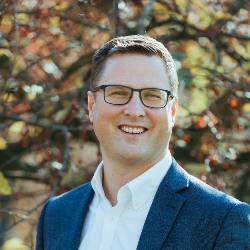 Andrew Bayliffe, PhD, CSO, Marengo Therapeutics
CSO
Marengo TherapeuticsAndrew Bayliffe, CSO of Marengo Therapeutics, has 25 years of leadership experience in the biopharmaceutical industry, with expertise in the discovery and development of both small molecule and antibody therapeutics across a broad range of disease areas. At GlaxoSmithKline Pharmaceuticals, Andrew held senior discovery and development leadership roles in the US and UK and worked on a range of antibody projects including early anti-CD3 antibodies, TCR-based therapeutics, and other immune cell targeted approaches across immunology, respiratory, and oncology therapy areas. Andrew is also a venture partner at ATP (Apple Tree Partners) and an honorary professor at the Wolfson Institute of Experimental Medicine at Queens College in Belfast. He completed his undergraduate and PhD studies in pharmacology, physiology, and molecular biology at Manchester University and Leeds University in the UK.
 James Bowman, PhD, CTO, AI Proteins
CTO
AI ProteinsJames Bowman is part of the founding team and Head of Discovery at AI Proteins. He did his PhD at the University of Southern California engineering a viral GPCR and using it for nanobody discovery. After that, he joined the Protein Design Lab at the Institute for Protein Innovation where he developed tumor-targeting mini proteins. Now, at AI Proteins, he leads efforts to engineer mini protein binders against therapeutic targets.
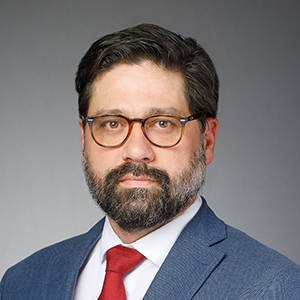 William Bracamonte, MD, PhD, Clinical Professor, Rheumatology, University of Wisconsin
Professor
University of WisconsinWilliam Bracamonte Baran, MD PhD, is a physician scientist born in Venezuela. Earned his MD degree with honors from the Central University of Venezuela in 2004. After two years of practice in rural and underserved areas, he pursued an Internal Medicine residency at the Caracas University Hospital, with special emphasis in Rheumatology and autoimmunity. Then, he started a professor tenure in the Central University of Venezuela with appointment in the Department of Physiology, focusing on biophysics research, and clinical practice in the Department of Internal Medicine, focusing on diagnostic medicine and autoimmunity. In 2011 he moved to the USA to pursue a PhD in Immunology at the University of Wisconsin - Madison. His doctoral research led to discovery of mechanisms of allo-tolerance mediated by exosomes. He then obtained a post-doctoral position at Johns Hopkins University, where carried out translational research in the field of cardiac autoimmunity and transplant immunology. Once there, he made significant findings in the cardiac immunology field, mainly regarding properties of cardiac resident innate lymphoid cells, immunomodulatory role of cardiac endothelial cells via PDL1, amongst others. Aside of clinical and research experience, Dr. Bracamonte has developed extensive academic, teaching and mentoring activities and is reviewer of several peer-review indexed scientific journals. His work has been recognized by the American Heart Association, the American Autoimmune Related Disease Association, World Transplant Congress, amongst others, and produced multiple publications in recognized journals such PNAS and Circulation-Heart Failure. Aiming to continue a physician scientist career in the USA, he moved to Texas to complete a second Internal Medicine residency at Texas Tech University. Then he established a successful Internal Medicine practice at Midland Memorial Hospital, Texas. Dr. Bracamonte entered the Rheumatology Fellowship Program at Yale University. He recently joined the Division of Rheumatology at the University of Wisconsin.
 Carter Caldwell, MBA, Co-Investment Program Director, University of Pennsylvania
Penn Medicine Co-Investment Program Director
University of PennsylvaniaCarter leads Penn Medicine's investments in the cell therapy, gene therapy, mRNA, lipid nanoparticle, and connected health sectors. Utilizing multiple decades of experience as both an entrepreneur and an investor, he sources investment opportunities, manages relationships with co-investors, completes due diligence, and supports the governance of the funded companies.
He was previously a Managing Director with Cross Atlantic Capital Partners, a venture capital firm with 4 funds and over $500 million under management. Carter holds an MBA from Columbia University and a BA in Philosophy, Politics and Economics from the University of Pennsylvania.
 Nikki Cerniuk, Conference Producer, Cambridge Healthtech Institute
Conference Producer
Cambridge Healthtech InstituteNikki Cerniuk has a background in T cell therapy research. She enjoyed the science, but wanted to lend herself to broader applications that offered more opportunities for collaboration. She joined Cambridge Heathtech Institute as a Conference Producer in 2022. Her love of continuous learning, science, and communication proved her to be a excellent complement to the role. Nikki graduated summa cum laude from the University of South Florida with a degree in Cell and Molecular Biology.
 Chewei Anderson Chang, PhD, Senior Scientist II, Oncology Discovery Research, AbbVie
Sr Scientist II
AbbVieChewei (Anderson) Chang, Ph.D., is a Senior Scientist II in Oncology Discovery Research at AbbVie. Dr. Chang focuses on the research and development of novel antibody-drug conjugates (ADCs) for cancer treatment. He contributed to the preclinical development of ABBV-319, facilitating its translation from bench to first-in-human (FIH) study. Dr. Chang led the biological characterization to optimize the development candidate and to elucidate the mechanisms of action of ABBV-319. Dr. Chang received his Ph.D. in Medical Biophysics from the University of Toronto, where his research centered on resistance mechanisms to HER2-targeted therapy in HER2+ breast cancer.
 Eric Chang, PhD, Associate Director, Intellectual Property, Xencor
Associate Director
XencorEric Chang has 10 years of experience in IP law in the life science industry, predominantly in-house with a focus on antibodies and other large molecules. He is Associate Director, Intellectual Property at Xencor in Pasadena, CA, a biotech company engineering and developing antibody and cytokine therapeutics to treat patients with cancer and autoimmune disorders. In this role, Eric works closely with company stakeholders and inventors on patent portfolio development, prosecution management, transaction and licensing, and IP risks and opportunity assessment. He holds a PhD in Biotechnology from the University of Manchester.
 Elaine C. Chen, PhD, Scientist II, Translational Biology & Discovery, Rondo Therapeutics
Senior Scientist
Rondo TherapeuticsElaine Chen is a Senior Scientist at Rondo Therapeutics, a biopharmaceutical company focused on developing innovative bispecific antibodies for solid tumor treatment. With expertise in discovery and translational biology, she has contributed to antibody therapeutics across oncology, immunology, and virology. At Rondo, Elaine led antibody discovery efforts and currently plays a key role in the translational biology team, advancing the company’s first molecule toward the clinic. Elaine earned her PhD at Vanderbilt University in the lab of Dr. James E. Crowe, where she studied the human B-cell repertoire across multiple infectious diseases from survivors of infections. Using both experimental and computational approaches, she leveraged paired and bulk sequencing datasets to gain actionable insights into antibody repertoires and inform lead optimization.
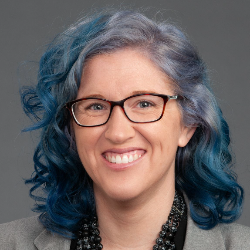 Katherine L. Cook, PhD, Associate Professor, Cancer Biology, Wake Forest University
Associate Professor
Wake Forest University School of MedicineDr. Cook received her Bachelor of Science degree in Biochemistry from the State University of New York at Oswego and her Ph.D. in Molecular Medicine from Wake Forest University School of Medicine (WFUSM). In June 2015 after a postdoctoral fellowship at Georgetown University, Dr. Cook accepted an Assistant Professor position in the Department of Surgery at WFUSM. Dr. Cook was promoted to an Associate Professor with tenure July 2021. Dr. Cook’s research program investigates molecular mechanisms of obesity-mediated breast cancer and dietary interactions influencing therapeutic responsiveness. Current research interests are focused on the impact of the microbiome on modulating inflammation, metabolic syndrome, and breast cancer risk. Dr. Cook has several ongoing clinical trials and partnerships to explore drug-bug interactions and the impact of therapy on the gut microbiota and associations with metabolite-processing and inflammation. She is currently funded in part by research grants from the National Institutes of Health, the Department of Defense Breast Cancer Research Program, The V Foundation, and the MetaVIVOR Foundation.
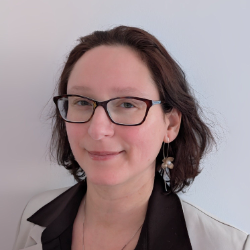 Genevieve Desjardins, PhD, Associate Director, Protein Engineering, Zymeworks
Associate Director
Zymeworks IncGenevieve Desjardins is the Associate Director of Protein Engineering at Zymeworks, where she contributes to the discovery and development of next-generation multispecific antibody therapeutics. Her work in protein engineering has supported multiple clinical-stage programs, including Ziihera® (zanidatamab), a biparatopic HER2 targeted antibody, ZW171, a mesothelin targeted T cell engager, as well as ZW209, a DLL3-targeted T cellengager with CD28 co-stimulation. Her contribution spans from early discovery through IND filing with a focus on engineering robust therapeutic molecules to tackle complex biological problems. Genevieve has over a decade of industry experience working on antibody drug development, platform engineering and leading programs across oncology and immunology indications. Her contributions have helped drive innovative approaches to multispecific design, including optimization of format, affinity, stability, and manufacturability. Genevieve is passionate abouttranslating cutting-edge protein engineering technologies into impactful medicines for patients and actively engages in scientific collaboration and knowledge sharing within the biotech community.
 David J. DiLillo, PhD, Executive Director, Immuno-Oncology, Regeneron Pharmaceuticals
Executive Director
Regeneron Pharmaceuticals IncDavid DiLillo is a Senior Director in the Immuno-Oncology department at Regeneron Pharmaceuticals in New York, where he leads a team developing novel immunotherapies to treat cancer. His team is responsible for target discovery and the preclinical development of immune cell-engaging multi-specific antibodies to treat liquid and solid tumors. His team also develops cell-based therapies and works to understand detailed mechanisms-of-action of immunotherapies in order to advance next-generation therapeutics. Dr. DiLillo holds a PhD in Immunology from Duke University, where he studied non-classical B cell effector functions, and he completed his postdoctoral studies in Fc-receptor biology at the Rockefeller University.
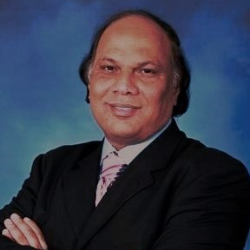 Rakesh Dixit, PhD, DABT, CEO & President, Bionavigen Oncology, LLC; CSO, TMAB Therapeutics, Regio Biosciences
CEO & President
Bionavigen Oncology, LLC and Regio BiosciencesRakesh Dixit is an accomplished executive, inventor, and scientist with over 35 years of success with top biotechnology and pharmaceutical companies, including Merck, Johnson & Johnson, and Medimmune - AstraZeneca. Currently, he is President and CSO of Regio Biosciences and Bionavigen, LLC. He is a Board Member of Regio Biosciences and a key member of multiple scientific advisory boards. Rakesh is also a chief adviser and consultant for more than 20 companies worldwide. His biopharmaceutical peers selected Rakesh as one of the 100 Most Inspiring People in the Pharmaceutical Industry by PharmaVOICE in 2015. Rakesh received the Most Prestigious Award of Long-Standing Contribution to ADCs by World ADC (Hanson-Wade), 2020. From 2006 to 2019, Rakesh was a Global Vice President of the Biologics R&D at Medimmune - AstraZeneca. Rakesh has unique expertise in developing biologics (e.g., monoclonal antibodies, bispecific biologics, antibody-drug conjugates, fusion proteins, peptides, gene and cell therapies, etc.) and small-molecule biopharmaceuticals. His areas of expertise include discovery, early and late preclinical development, safety assessment, DMPK, and translational sciences. Dr. Dixit conducted extensive graduate and post-graduate training in Pharmacology/Toxicology–Biochemistry with both Indian and USA institutions (e.g., Case Western Reserve University, Medical College of Ohio, University of Nebraska) and is a Diplomate and Board Certified in Toxicology from the American Board of Toxicology, Inc. since 1992.
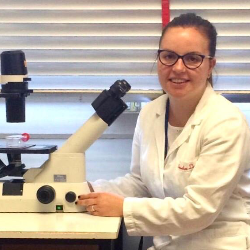 Claudia Duranti, PhD, Scientific Researcher, Experimental and Clinical Medicine, University of Florence
Full Time Researcher
University of FlorenceDr. Claudia Duranti was born in Florence, Italy, in 1988. She received a B.S. in Biological sciences in 2010 and a M.S. in Biomedical Biology in 2013 from the University of Florence, Italy. PhD in Experimental and Clinical Oncology (University of Florence) in 2017, since then, she is a Post-Doctoral fellow at the Department of Experimental and Clinical Medicine (University of Florence). In 2019, she was appointed a two year AIRC (Associazione Italiana per la Ricerca sul Cancro) fellowship to study the development and application of recombinant antibodies for cancer therapy. Her main interests focus on the developing of new molecules targeting cancer-related ion channels and transporters; antibody dye conjugation and 3D culture establishment. Since December 2022, she is a Researcher in General Pathology at the Department of Experimental and Clinical Medicine at the University of Florence.
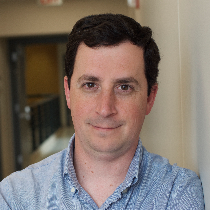 Martin Felices, Assistant Professor, Medicine, Hematology & Oncology, University of Minnesota, Twin Cities
Associate Professor
University of Minnesota Twin CitiesDr. Felices received his Ph.D. in immunology from UMASS Medical School in 2008, where his research focused on innate and adaptive immune subsets. He then pursued an industry postdoctoral fellowship at Novartis Institutes for BioMedical Research, in Cambridge, MA, in the Developmental and Molecular Pathways group where he studied signaling pathways involved in liver injury and tumorigenesis. In 2011 he joined the University of Minnesota as a T32 postdoctoral fellow in the division of Hematology, Oncology and Transplantation, focusing his research on Natural Killer (NK) cell biology, prior to becoming an assistant professor. Dr. Felices’ group focuses on methodologies to improve NK cell immunotherapy, with a particular focus on cytokine signaling and development NK specific biologics. In recent years Dr. Felices has been dedicating most of his effort on a Tri-specific Killer Engager (TriKE) platform to target NK cells to tumors while providing a cytokine signal.
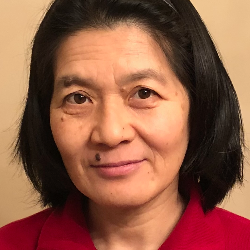 Yang Feng, PhD, Biologist, Mouse Cancer Genetics Program, NIH NCI
Biologist
NIH NCIResearch Biologist, St. Croix Lab, Mouse Cancer Genetics Program, National Cancer Institute
Specializing in human antibody library construction, phage library screening, recombinant antibody engineering, drug discovery and development, protein chemistry and cell-based assays.
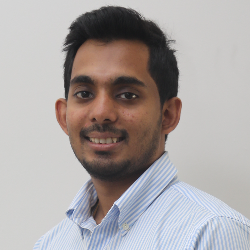 Kanishka Fernando, PhD, Research Fellow, Translational Tumor Engineering, National University of Singapore
Research Fellow
National University of SingaporeKanishka Fernando is a Research Fellow at the Translational Tumor Engineering (TTE) Laboratory at the National University of Singapore (NUS). He holds a Ph.D. in Biomedical Engineering from NUS, specializing in the development of ex vivo tumor models. His research focuses on prolonged tumor expant models that facilitate a deeper understanding of the mechanism of action in immuno-oncology drugs, contributing to advancements in cancer therapeutics. Kanishka earned his Bachelor of Engineering with First-Class Honours in Mechanical Engineering with Management from the University of Liverpool and subsequently completed his Master of Science in Biomaterials at the University of Manchester, graduating top of his class. Beyond academia, he has several years of industry experience in developing healthcare solutions and commercializing medical technologies. His expertise bridges the gap between fundamental research and practical applications, driving innovation in translational cancer research.
 Vitalay Fomin, PhD, Co-Founder, Numenos AI
PhD, Co-Founder
Numenos AI
 Marc A. Gavin, PhD, Senior Research Fellow & Head, Immunology, InduPro
Sr Research Fellow & Head of Immunology
InduPro IncMarc is an immunologist with a long-standing interest in B and T cell repertoire development and tolerance. He pursued his graduate work in the lab of Michael Bevan at the University of Washington and postdoc with Alexander Rudensky, where he discovered essential features of mouse and human Treg development and function. He then took a position at Amgen, where he developed an IL-2 mutein Efavaleukin alfa for Treg enrichment to treat autoimmunity. After Amgen, he continued research in Treg-mediated therapy at the Benaroya Research Institute, where he investigated tolerizing protocols combining Treg enrichment with antigen-specific immunotherapy. He then served as Sr. Director of Immunology at Omeros, where he led research on GPCR-mediated modulation of T cell phenotype and function in anti-tumor responses. At InduPro, Marc is directing Immunology strategy, leveraging bispecific antibodies to manipulate immune responses to treat autoimmunity and cancer.
 Marvin Gee, PhD, Co-Founder & Vice President, Target Discovery, 3T Biosciences
Vice President
3T BiosciencesDr. Gee received his B.S. degree in Biology at the California Institute of Technology in 2013, where he published and patented work engineering T cell receptors for adoptive T cell therapy in the laboratory of David Baltimore. Following that, he received his Ph.D. in Immunology with an additional core focus in Computational Immunology at Stanford University in the laboratory of K. Christopher Garcia in 2017, publishing his main work on novel technology to identify the specificities of T cell receptors for application in oncology. He completed further work on characterizing the structural basis of T cell receptor recognition of immunological targets and T cell receptor cross-reactivity. Dr. Gee has had prior work experience at the National Cancer Institute, where his primary focuses were in immunology, structural biology, protein engineering, systems biology, bioinformatics, and algorithms for the application of therapeutic- and early- discovery in immuno-oncology. He is currently VP, Target Discovery at 3T Biosciences since co-founding the company in 2017.
 Zinaida Good, PhD, Assistant Professor, Department of Medicine, Stanford University
Assistant Professor
Stanford UniversityZinaida Good, Ph.D., is an Assistant Professor of Medicine in the Division of Immunology and Rheumatology and the Division of Computational Medicine at Stanford University. She also serves as the Director of the Stanford Center for Cancer Cell Therapy Data Hub. The goal of her research program is to understand and enhance engineered T cell immunotherapies for cancer and immune-mediated diseases through innovative computational approaches and systems immunology. Her lab leverages innovation in machine learning and clinical multiomic datasets to build artificial intelligence systems for advanced T cell therapy design. Dr. Good earned her Ph.D. in Computational & Systems Immunology from Stanford University. Her work includes 4 first-author papers (Nature Medicine 2018 & 2022, Nature Biotechnology 2019, Trends in Immunology 2019), 18+ co-authored papers (including Nature 2019, 2022, 2024, Science 2021, Nature Methods 2016, 2022, and NEJM 2024), and an initial senior author papers (ICML 2025, NeurIPS 2025, Frontiers in Immunology 2025). Her research is supported by the NIH/NCI Pathway to Independence Award, NIH/OD Multimodal AI Initiative Award, NIH/NCI Program Project Grant, and the Weill Cancer Hub West. Dr. Good has been named an Arthur & Sandra Irving Cancer Immunology Fellow in 2022, Parker Bridge Fellow in 2023, and an AACR-Woman in Cancer Research Scholar in 2024.
 David W. Granger, PhD, Vice President, R&D, NovalGen Ltd.
Vice President, R&D
NovalGen LtdDr David Granger has over 15 years’ experience in drug discovery, working on both small molecule and antibody therapeutic programmes. Originally trained as a pharmacologist he joined global pharmaceutical company GSK following a PhD and post-doctoral research position at Imperial College. At GSK David led bispecific antibody programmes utilising different discovery platforms and overseeing various collaborations. In 2017, he joined bispecific antibody biotechnology company Crescendo Biologics as a Senior Scientist, leading therapeutic immuno-oncology programmes, and developing and embedding a bispecific discovery platform into the workflow. David joined NovalGen in 2019 where he leads the R&D team with activities spanning from target identification and antibody discovery through to translational research and IND-enabling studies.
 Malay Haldar, PhD, Associate Professor, Pathology, University of Pennsylvania
Associate Professor
University of PennsylvaniaI am a physician-scientist cross trained in cancer biology, immunology, and clinical pathology. After completing my medical degree, I pursued PhD thesis research in Human Genetics at the University of Utah followed by clinical residency in Pathology and postdoctoral training in immunology, both at the Washington University in St. Louis. As a practicing pathologist, I focus on molecular diagnostics – primarily in oncology. My research laboratory studies mononuclear phagocytes (MPs), which include monocytes, dendritic cells (DC), and macrophages. MPs perform diverse functions - from controlling immune responses to maintaining tissue homeostasis. My laboratory studies the developmental and molecular basis of MPs diversity and their roles in tissue homeostasis and disease states. In the context of human diseases, I am particularly interested in solid tumors where MPs play critical role in initiating and regulating anti-tumor immune responses Amongst other things, my laboratory is investigating the bi-directional cross talk between tumor microenvironment and MPs that underlie immunoregulatory functions of MPs. An overarching goal is to apply these insights for the next generation of cancer immunotherapy.
 Priya Hays, PhD, Technical Writer, Science Writer, Health Sciences Education, Geisel School of Medicine, Dartmouth College
Technical Writer/Science Writer
Dartmouth CollegePriya Hays, PhD is an accomplished science writer, having written and published four books as well as having authored over twenty publications in journals as varied as the Bulletin of Science, Technology and Society, L’Esprit Createur, Interdisciplinary Literary Studies, Genetics in Medicine, Journal of Clinical Investigation and Studies, and Preventive Medicine, Epidemiology and Public Health. The publication of the first edition of ‘Advancing Healthcare through Personalized Medicine’ brought Dr. Hays much prominence and credibility in the personalized and genomic medicine field. She was elected to three prestigious medical societies (as Allied Physician/Doctoral Scientist of the American Society of Clinical Oncology; as Affiliate Member of the American College of Medical Genetics and Genomics; and as Member of the Society for Immunotherapy of Cancer). Additionally, she has published an editorial on personalized medicine in the journal Genetics in Medicine and a paper in collaboration with two physicians at the University of California, San Diego Health System on clinical care of patients taking immunotherapies and managing their adverse effects in the journal Future Oncology. She is also serving as Guest Editor for an upcoming volume on cancer immunotherapies in the Cancer Treatment and Research series. She completed her postdoctoral research fellowship in the Division of Hematology/Oncology, Department of Medicine, at Dartmouth Medical School. She has an A.B. with Honors from Dartmouth College in Biochemistry and Comparative Literature, an M.S. in Genetics from the University of California, Davis, and a PhD in Literature from the University of California, San Diego.
 Wei He, Founder and CEO, TRiCBiO
Founder and CEO
TRiCBiOWei received a Ph.D. in Molecular and Cell Biology and gained extensive experience in oncology target discovery during his tenure at Novartis, where he applied functional genomics technologies to identify and validate therapeutic targets in clinically relevant models. Motivated to bridge the gap between bench and bedside, he focused on building patient-relevant, organoid-based screening platforms. He leads the development of functional and phenotypic screening services that leverage patient-derived organoids and high-throughput CRISPR technologies. These platforms enable biotech and pharma partners to evaluate candidate molecules for efficacy, mechanism of action, and resistance—early in the drug discovery process and in human-relevant systems.
 Ryan A. Heiser, PhD, Director Immuno-Oncology, Pfizer
Dir ADC Biology and Immunology
Pfizer OncologyRyan Heiser is a cellular immunologist currently serving as the Director of ADC Biology and Immunology at Pfizer Oncology in Bothell, Washington. His team is engaged in programs encompassing ADC and IO therapeutic discovery, clinical evaluation, and reverse translation. The team places significant emphasis on exploring the convergence of ADC activity and immune cell function to promote rational therapeutic combinations in cancer treatment. Before his tenure at Pfizer, Ryan was the Director of Adaptive Immunology at Seagen, where he directed discovery programs focused on IO bispecifics and immune cell-targeted ADCs. Ryan holds a PhD in Immunology from the University of Colorado School of Medicine.
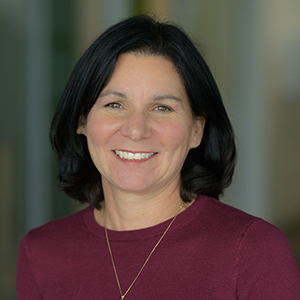 Pamela M. Holland, PhD, Senior Vice President Biology, Biology, InduPro
Sr VP Biology
InduPro IncPamela Holland, PhD, is SVP of Biology at InduPro, overseeing pipeline development. Prior to InduPro, she was SVP of Research at Alpine Immune Sciences, overseeing oncology and autoimmunity programs. Prior to Alpine, she was VP, Cancer Biology at Surface Oncology in Cambridge MA, playing key roles in developing the early Surface pipeline and establishing a multi-program strategic partnership with Novartis. Prior to Surface, Dr. Holland held roles of increasing responsibility in oncology research at Amgen, working on TNF-receptor superfamily members for oncology and cancer immunotherapy. Dr. Holland obtained her PhD from the University of Washington/Fred Hutchinson Cancer Research Center followed by a post-doctoral position at Immunex. Prior to graduate school, she was a key contributor to the development of PCR applications and TaqManâ„¢at Cetus Corporation. She is a co-inventor on all TaqMan patents and was the lead author on the first publication describing TaqMan in 1991.
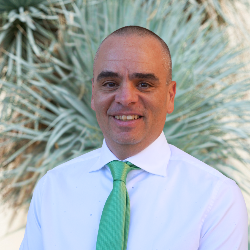 David James, ND, Licensed Naturopathic Physician, PLLC
Resident Physician
Dave James, ND, Licensed Naturopathic Physician PLLCDave earned a Bachelor of Science in Psychology from the University of Bridgeport in December 2009, where he was captain of the NCAA Cross Country Team. Following graduation, he was selected to represent Team USA at three World Championships. He is a two-time 100-mile United States Track and Field Association National Champion. In April 2021, Dave returned to pursue a Doctorate of Naturopathic Medicine from Sonoran University in Tempe, AZ. He was involved in multiple projects at the Ric Scalzo Institute for Botanical Research at Sonoran University and presented HSV1 research at AANP in 2023. He also presented a poster on Lymphedema and Naturopathic Approaches to Lymphatic Malignancies to OncANP in 2024. He plans to complete a postgraduate naturopathic medical residency and to pursue a career in chronic pain management and naturopathic oncology. His goal is to sit for the FABNO exam through OncANP. Dave has shadowed FABNOs from coast to coast. In his spare time, Dave enjoys spending time outdoors hiking with his dog and spouse. He is an NWB and Team RWB volunteer. Dave is a graduate of the ND program and, as a student, was enrolled in the Regenerative Medicine Honors Program at the Neil Riordan Center for Regenerative Medicine, where he was conducting an observation study on the efficacy of PRP and Prolotherapy for the treatment of chronic pain. He was president of his cohort in 2021 during the pandemic and helped work with the administration on the COVID task force. Dave has been a tutor & TA for many classes. Currently, he is the incoming PGY1 resident physician at a private practice in Seattle, Washington, where he will work towards his FABNO. He was president of his cohort in 2021 during the pandemic and helped work with the administration on the COVID task force. Dave has been a tutor & TA for many classes including Anatomy, Physiology, Biochemistry, Microbiology, Physical Medicine, & Immunology where he lectures to first year medical students on Immunology CD4 MCH class 2 and CD8 T cytotoxic cells MCH class 1, HLA Matching, T cell receptors, perforins, granzymes, the complement cascade, Natural Killer Cells, Antigen Presenting Cells, Th0 cells, Tfh cells, TH17, TH22, cytokines, CD28, basophils, dendritic cells, cross-presentation, central tolerance, VDJ recombination, bone marrow, antigens, mucous associate lymph tissues, long lived plasma cells, and CAR- T therapy. His interests are in the space of refractory and relapsed blood cancers, and he plans to research bispecifics along with patient care and a career in higher education. He can be reached via email at rundavejamesnmd@gmail.com; d.james@sonoran.edu; and for public speaking and private coaching for long-distance runners at rundavejames@yahoo.com. His IG & X are @rundavejames.
 Shilpa Keerthivasan, PhD, Associate Director, Immunology, Bristol Myers Squibb
Director
CareDxI have 20+ years of experience in immunology, drug discovery, and translational medicine at leading pharmaceutical companies such as Roche and Bristol Myers Squibb. I have contributed multiple immunology programs including Atezolizumab, TGFb inhibitor, mechanism of resistance to IO, T cell engager platforms, ADC, scRNA seq and TCRseq. My expertise in precision medicine approaches, including transcriptomics, NGS and scRNA seq has been instrumental in assessing peripheral biomarkers and optimizing therapeutic strategies.
Expertise in leading and contributing to oncology and nononcology programs at BMS and Roche, serving as a subject matter expert in advanced cancer immunology programs and assessing mechanism of resistance in clinical trials, leading or contributing to scientific engagement via publications, attracting and developing world-class talent focused on demonstrating and developing new applications of immunotherapy products, providing mentorship and guidance to a multi-disciplinary team of scientists and computational biologists and overseeing cross-functional teams working on key deliverables.
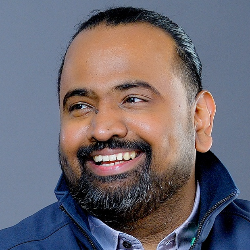 Shameer Khader, PhD, Executive Director, Global Head of Data Science, Data Engineering and Computational Biology, Sanofi
Senior Director AI & Machine Learning & Data ScienceDr. Shameer Khader is a senior director of advanced analytics, data science, and bioinformatics at AstraZeneca, a global, science-led biopharmaceuticals company. At AstraZeneca, he leads a global team of data scientists, biomedical scientists, statisticians, and software engineers. He oversees a portfolio of projects in oncology and biopharma to accelerate drug discovery and development using biomedical and clinical big data using machine intelligence approaches. He has published more than 120+ peer-reviewed research papers, patents, and conference publications in pharma informatics, healthcare data science, bioinformatics, drug discovery, and precision medicine. Various national and international media, business, biotechnology, and scientific publishers have featured his work. His work was featured in media outlets including Forbes, Fast Company, Bloomberg News, Times of India, The Indian Express, HealthIT Analytics, ScienceDaily, The Sun, MedScape, Medical Express, MedPage Today, The Economic Times, Cardiology Today, NewsWise, BioPortfolio, Science Xpress, Business Standard, eCancer News, PhysOrg, UroToday, etc. His work was also featured in worldwide publications and includes blogs by MedGadget, UNESCO, International Society for Computational Biology, American Chemical Society, American Heart Association, and the NEJM Journal Watch.
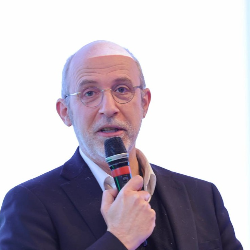 Olivier Kitten, PhD, Founder & CEO, Affilogic
Founder & CEO
AffilogicOlivier is founder and CEO of Affilogic, specialized in the development of alternative non-antibody ligands. Olivier was trained as an engineer at Ecole Centrale Paris, then as a researcher in gene transfer at Université de Rennes I. Before creating the company, he held various R&D positions in the pharmaceutical industry (Rhone-Poulenc Rorer, then Aventis Pharma Gencell in gene therapy), as laboratory head in a genetic testing biotech start-up (Atlangene Applications).
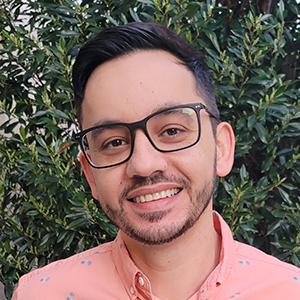 Louai Labanieh, PhD, Assistant Professor, Department of Immunology and Immunotherapy, Icahn School of Medicine at Mount Sinai
Assistant Professor
Mount Sinai School of MedicineDr. Labanieh is an Assistant Professor in the Icahn Genomics Institute (IGI) and the Precision Immunology Institute (PrIISM) at Mount Sinai School of Medicine. As a bioengineer with expertise in synthetic biology, immunoengineering, and T-cell biology, Dr. Labanieh is developing next-generation high performance platform technologies to address the most pressing challenges for cell therapies for cancer. He developed SNIP-CAR, a drug-regulated CAR platform that enhances the safety and efficacy of CAR-T cells. The findings from his work credentialed this platform as best-in-class and laid the foundational preclinical studies to support a Phase I clinical trial of the SNIP CAR platform in relapsed/refractory solid cancers at Stanford. He has also developed technologies for drug-regulated control over cytokine signaling in engineered T-cells as well as a platform for purification of multi-engineered, sophisticated cell therapies. He has worked collaboratively to create logic-gated T-cells, injectable hydrogels for delivering cell therapies and cytokines, and technologies for imaging cell therapies in vivo. Dr. Labanieh is a co-inventor of 13 technologies spanning the fields of cell therapy, diagnostics, and high-throughput drug discovery. These technologies have been licensed to five biotechnology companies, including CARGO Therapeutics, a publicly traded and clinical stage CAR-T startup that Dr. Labanieh co-founded. The Labanieh Lab focuses on the development of biotechnologies that allow for precision genetic engineering and control of cell functions in vivo, with a particular focus on platforms that enhance the efficacy and safety of cell and gene therapies for cancer and other diseases.
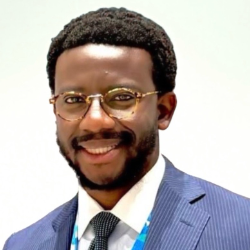 Oladimeji Lanade, MD, Hematoloyg/Oncology Fellow, Atrium Health Levine Cancer
Physician
Atrium HealthDr. Lanade is a third-year Hematology/Oncology fellow completing his final year of training at Atrium Levine Cancer Institute. He has a diverse medical background. Prior to fellowship, he served as a medical director in the Philadelphia area and held faculty appointments of clinical assistant professor at both the Lewis Katz School of Medicine at Temple University and Drexel University College of Medicine. His research focuses on gastrointestinal and hereditary cancers, cancer prevention and control, and advancing health equity. Dr. Lanade is also a committed healthcare advocate, currently serving as a delegate to the American Medical Association (AMA) with sponsorship from the Association of Clinical Oncologists (ASCO). He actively contributes to medical education and mentorship, organizing networking events and panel discussions for current and prospective trainees and engaging with students from elementary through professional school to foster early interest in health careers. Rooted in both academic leadership and community engagement, Dr. Lanade strives to bridge clinical excellence with advocacy and equity in cancer care.
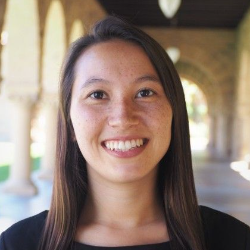 Sarah Lensch, PhD, Senior Scientist, Arsenal Bio
Senior Scientist
Arsenal BioSarah Lensch is a synthetic biologist with a background in mammalian epigenetic gene regulation and experience with high-throughput screening. Currently a Senior Scientist at ArsenalBio, Sarah is working on advancing therapeutic products through innovative CAR-T cell engineering. She earned her Ph.D. in Bioengineering from Stanford University from Dr. Lacra Bintu’s lab, and holds a Bachelor’s degree in Biology from UC Santa Barbara.
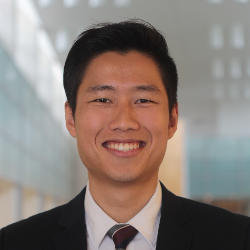 Hao Lo, PhD, Research Scientist, Translational Medicine, Amgen
Postdoctoral Research Fellow
AmgenHao is a postdoctoral research fellow at Amgen, where he is integrating single-cell and spatial technologies to investigate immune-stromal spatial interactions that correlate with and contribute to anti-tumor immunity. During his graduate training at the Moffitt Cancer Center at the University of South Florida, Hao combined in vivo and computational modeling to characterized the pathological cellular crosstalk between cancer cells and bone marrow stroma in bone-metastatic diseases.
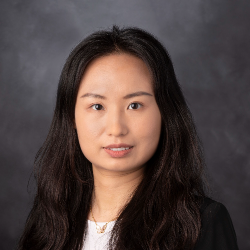 Xin Luo, PhD, Scientific Researcher, MD Anderson Cancer Center
Scientific Researcher
MD Anderson Cancer CenterDr. Xin Luo is a bioengineer with a Ph.D. from Rice University and research training at MD Anderson Cancer Center. Her work focuses on tumor immunotherapy, vaccine, extracellular vesicles, and engineered nanoparticle platforms for therapeutic delivery. She has extensive experience in in vitro and in vivo modeling of the tumor microenvironment, molecular biology techniques, and immunoassay development. Her current research explores the interface between cancer biology and immune modulation, with the goal of translating scientific discoveries into therapeutic innovations.
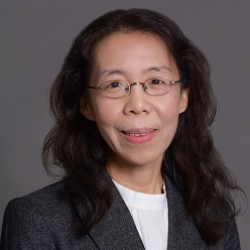 Margery Ma, PhD, Principal Consultant, NonClinical Regulatory Affairs, Eliquent Life Sciences
Principal Consultant
ELIQUENT Life SciencesDr. Ma is trained in cellular immunology, with over 20 years of combined experience in pharmaceutical R&D and regulatory affairs within consulting firms. Her extensive background provides her with deep technical expertise and strategic insight, enabling her to guide drug development from preclinical stages to the clinic. She specializes in offering nonclinical regulatory support for a wide range of drug products and has successfully led interactions with health authorities. Dr. Ma is dedicated to helping clients navigate complex challenges and achieve meaningful advancements in public health.
 Utpal Majumder, PhD, Senior Scientist, R&D, Eisai
Senior Scientist
EisaiUtpal Majumder is a principal scientist working in Eisai for 15 years. During his tenure in Eisai, he was involved in various discovery projects including peptide drug conjugate (PDC) and antibody drug conjugate (ADC) based drug discovery projects which are currently under clinical evaluations. Dr. Majumder has co-authored several patents and journal articles that have highlighted the successes and some of the challenges associated with PDC- and ADC-based drug developments.
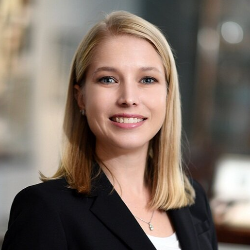 Kristen Meerbrey, PhD, Director of Target Discovery, Therapeutic Innovation Center, Baylor College of Medicine
Director of Target Discovery
Baylor College of MedicineDr. Meerbrey is Co-Director of the Therapeutic Innovation Center (THINC) at Baylor College of Medicine. At THINC, she leads a team of cell, molecular and computational biologists focused on discovering and validating novel targets in oncology and immuno-oncology, with a focus on emerging areas of RNA biology. Dr. Meerbrey trained in genetics and technology development in the laboratory of Dr. Thomas Westbrook where she developed new tools for genetic perturbation (ex. the pINDUCER toolkit) that are now used in over 3,000 laboratories across the globe. Leveraging these tools, Dr. Meerbrey discovered new genetic causes of familial cancer predispositions and identified vulnerabilities in poor prognosis cancers like triple negative breast cancer. After graduate school, Dr. Meerbrey extended her training in target identification and drug discovery, with a focus on RNA splicing. At THINC, Dr. Meerbrey builds collaborative therapeutic programs emanating from BCM’s $640M research portfolio, focusing on diseases (especially cancer) where RNA dysregulation is a major culprit. Her work has led directly to new therapeutic initiatives both in collaboration with pharma partners and in the form of new biotech start-ups. Dr. Meerbrey actively seeks to bridge new innovations in RNA biology with private sector partners for the benefit of cancer patients.
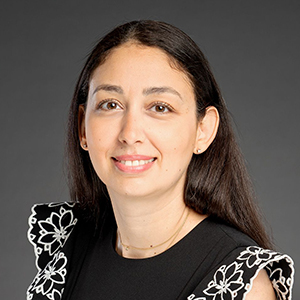 Amina Metidji, PhD, Senior Scientist, AstraZeneca
Senior Scientist
AstraZenecaAmina Metidji is a Senior Scientist in the Department of Biologic Engineering at AstraZeneca, where she brings over ten years of expertise in immuno-oncology research to drive innovative solutions. She earned her Ph.D. from the University of Pierre and Marie Curie, in collaboration with The National Institute of Health, focusing on immune system dynamics. During her postdoctoral research at The Francis Crick Institute in London, Amina examined how dietary influences affect intestinal receptors and disease progression, particularly in the context of colon cancer. At St. Jude Children's Research Hospital, she furthered her work by advancing therapeutic strategies for myelodysplastic syndromes. Amina's impactful research has been published in high-impact journals, contributing significantly to the scientific community.
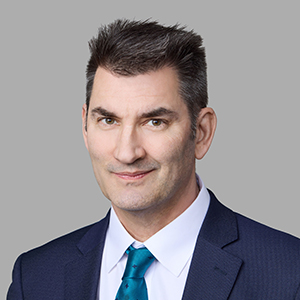 Jonathan D. Moore, PhD, Co-Founder and CSO, Epitopea
Co-Founder & CSO
Epitopea LtdJon Moore was founding CEO of Epitopea and now serves as CSO and is an Operating Partner at Advent Life Sciences. Trained in molecular and cell biology including a postdoctoral spell with Tim Hunt, Jon has spent 20 years in industry in cancer dug discovery with Vernalis, evangelising gene editing as a target ID/validation tool with Horizon Discovery and as co-founder and CEO of remyelination focussed start up, Pheno Therapeutics.
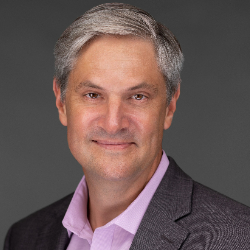 John B. Mumm, PhD, Founder & CEO, Deka Biosciences
Founder & CEO
Deka BiosciencesAfter earning his Bachelor’s Degree from Menlo College, John received an MS from Stanford University and a PhD from MD Anderson Cancer Center where he discovered that IL-10 directly activates anti-tumor CD8+ T cells. John conducted post-doctoral work for a year at DNAX Research Institute and became a Scientist at Schering Plough where he developed PEGylated IL-10 (AM0010) as an immunoncology asset. He then founded Targenics, later merged with ARMO Biosciences (briefly a publicly traded company), to clinically develop AM0010 and other immune oncology assets. ARMO Biosciences was acquired by Eli Lilly in 2018 for a $1.6B up-front deal. As a founder and Senior Director of Technical Operations at ARMO, John led the manufacturing and pre-clinical research teams.
John served as the Director of Immunoncology R&D at Medimmune LLC and is the author of 28 manuscripts and 52 granted or pending patents. After reviewing the immuno-oncology space for two years at MedImmune and developing such diverse projects as innate and T cell agonists, CAR T and other cell therapy projects as well as novel immunostimulatory antibody drug conjugates, John has most recently founded Deka Biosciences. Deka is the next generation cytokine development company created to solve the challenges associated with harnessing the massive potential of cytokine therapy. With the challenges in developing T cell agonists and cell therapy programs, it is likely that cytokine combinations coupled with targeting modalities administered in conjunction with precision patient selection will be clear value drivers for the pharmaceutical industry for years to come.
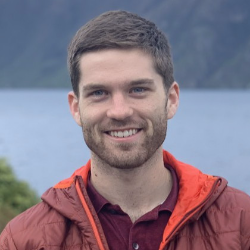 Ian Nessler, PhD, Senior Scientist II, Quantitative, Translational, and ADME Sciences, AbbVie
Sr Scientist II
AbbVieDr. Ian Nessler is a Senior Scientist in Quantitative, Translational and ADME Sciences at AbbVie. In this role, he develops mathematical models to assess drug properties that promote effective engagement of the intended biological target. Dr. Nessler received his Ph.D. in 2022 from the University of Michigan where he was mentored by Dr. Greg Thurber in applying fundamental biotransport principles to understand and design antibody drug conjugates for solid tumors.
 Tatiana Novobrantseva, PhD, CSO, NextPoint Therapeutics
CSO
NextPoint TherapeuticTatiana Novobrantseva is the Chief Scientific Officer at NextPoint Therapeutics. Most recently she served as the CSO of Immuno-oncology at Moderna. In the prior role, she co-founded Verseau Therapeutics and served as CSO, guiding programs from target identification to an advanced novel therapeutics pipeline, staying as an advisor to the company. Tatiana is currently serving on several Scientific Advisory Boards. Tatiana also consulted on drug development programs for various companies throughout the years. At Jounce, she directed programs on immune system reactivation against cancer. Tatiana held roles at Alnylam and Biogen, uncovering the critical role of B cells in fibrosis, advancing siRNA delivery, and leading a dendritic cell cancer vaccine initiative.
She earned her PhD in B cell immunology from the University of Cologne in Germany in the Laboratory of Klaus Rajewsky. She holds a Diploma in Engineering in Physics and a Master’s degree in Molecular Biology from the Moscow Institute of Physics and Technology.
 Raphael G. Ognar, Co-Founder & President & CEO, NKILT Therapeutics
Co Founder & President & CEO
NKILT Therapeutics IncPharma/Biotech senior executive with over 26 years of commercial, drug development, product lifecycle and strategy expertise. His multiple achievements through global and country leading roles (Novartis Oncoloy, Celgene, BMS), and his proven leadership skills came from an extensive 21-year experience in Oncology/Hematology. For the last decade, he successfully increased his focus on Immuno-Oncology and Cell Therapy technologies, leading to the creation of NKILT Therapeutics, Inc., in 2021. After his time in Corporate Pharma/Biotech, and prior to founding NKILT Therapeutics, Inc., he created his executive consulting company, ANIM8 LLC, to deliver strategy and operations support to early-stage biotech and RWE/DHS companies.
Raphaël owns a Masters and a D.E.A. of Physiology and Neurosciences from University of Bordeaux I&II, and an MBA in Strategic Marketing and Enterprise Management from I.A.E of Tours University. Besides fighting cancer, his passions are vintage wines, playing music in his family band, playing and chilling with his rescued pitbulls, pushing himself rock climbing, and traveling the world with family and friends.
 Yuanwang Pan, PhD, Senior Scientist, R&D, Amgen
Senior Scientist
AmgenDr. Yuanwang Pan is a Senior Scientist in the Department of Oncology at Amgen, where he currently leads a research team focused on new target discovery and developing T cell engager molecules for the treatment of solid tumors. He received his PhD in Cell and Developmental Biology from Rutgers University, and he performed a postdoctoral fellowship investigating novel cancer therapeutics at the NYU Langone Medical Center.
 Orna Rabinovich Ernst, PhD, Senior Scientist, R&D, AstraZeneca
Senior Scientist
AstraZenecaOrna Rabinovich Ernst is a Senior Scientist in the Department of Biologic Engineering at AstraZeneca, developing antibody-based programs for autoimmunity and cancer immune therapies. Dr. Ernst completed her Ph.D. at Tel-Aviv University studying immune response to infection. She then pursued postdoctoral training at the National Institute of Allergy and Infectious Diseases (NIAID), NIH, where she focused on systems biology and immune target recognition. She moved on to investigate the immune response to the malaria parasite at Johns Hopkins University. In her current role at AstraZeneca, she employs high-throughput, high-content imaging techniques to advance the drug discovery process for autoimmune diseases and cancer. Her on-going work involves the development of three-dimensional in-vitro models that simulate the tumor microenvironment, a critical step in understanding complex biological systems, which paves the way for novel solid tumor treatment discovery.
 Vladimir Roudko, PhD, Director, Advanced Translational Programs, AstraZeneca Pharmaceuticals
Director
AstraZenecaDr. Vladimir Roudko is a computational immunologist and molecular biologist whose research lies at the intersection of high-throughput biological data integration, interpretation, and novel technology development. With a strong clinical focus, his work aims to identify novel immune biomarkers for disease progression and therapy response in patients with cancer and inflammatory conditions.
Dr. Roudko earned his doctorate in France, where he investigated the mechanisms governing eukaryotic RNA stability and decay. He then pursued research in the United States at Weill Cornell Medicine and Mount Sinai, where as a faculty member he explored the molecular principles of human tumor immunology applying computational approaches. Currently as a director at Astrazeneca translational medicine department he helps to bring advanced innovative methodologies for biomarker discovery in the oncology space.
 Siddhartha Roychoudhury, PhD, Asset Leader, Immuno-Oncology Development, Astellas Pharma
Asset Leader, Immuno-Oncology Development
Astellas PharmaSiddhartha Roychoudhury (Sid) obtained his PhD in Microbiology & Immunology from the University of Illinois Chicago and conducted his post-doctoral training at Eli Lilly & Company. Sid has 25+ years of drug discovery and development experience, spanning molecular target identification through Phase 3 clinical development. Over the past 12+ years, Sid has been leading multiple global Asset or Program Strategy Teams with single-point accountability for cross-functional, end-to-end strategy, and execution to develop small molecules and various modalities of biologics (monoclonal antibodies, bispecifics, bifunctionals, alternative scaffolds) in immuno-oncology and inflammatory diseases in multiple biopharma companies, including Astellas, Gilead, Amgen, and Janssen. Key programs among them include tarlatamab (DLL3-targeted Bispecific T cell Engager) for which Sid led the Early-to-Late development transition, Commitment to Registrational Studies, and the initiation of DeLLphi-301 trial, which enabled its accelerated approval for the treatment of extensive-stage small cell lung cancer (ES-SCLC). Currently at Astellas, Sid is leading two potentially first-in-class assets in clinical development, including ASP2138, a CLDN18.2-targeting T cell engager to treat gastrointestinal malignancies.
 Marco Ruella, MD, Associate Professor, Scientific Director, Hematology and Oncology and Center for Cellular Immunotherapies, University of Pennsylvania
Associate Professor & Scientific Director
University of PennsylvaniaDr. Marco Ruella obtained his medical degree with high honors and completed his specialization in clinical hematology at the University of Torino, Italy. He was attending physician at the Hematology and Cell Therapy Division of the Mauriziano Hospital and was an Instructor at the Biotechnology School at the University of Torino. From late 2012, he was a Post-doctoral Fellow, and then an Instructor at the University of Pennsylvania in the Center for Cellular immunotherapies (Drs. June and Gill). From 2017 to 2018 he served as Associate Director of Dr. June’s laboratory. In 2018, Dr. Ruella was appointed Assistant Professor of Medicine in the Division of Hematology/Oncology and the Center for Cellular Immunotherapies and Scientific Director of the Lymphoma Program at the Hospital of the University of Pennsylvania. Dr. Ruella was awarded many awards and honors, including the inaugural SITC EMD-Serono Cancer Immunotherapy Clinical Fellowship (2014), the AACR-BMS Oncology Fellowship in Clinical Cancer Research (2015), the ASH Scholar Award (2016), a NIH K99-R00 award (2017), the “Paola Campese†Award Leukemia Research (2017), the Cancer Support Community Award (2018), the 2018 ASH Joanne Levy, MD, Memorial Award for Outstanding Achievement, the Gilead Sciences Research Scholar in Hematology/Oncology and the Gabrielle’s Angel Foundation Award (2020), and the Leukemia and Lymphoma Society, Translational Research Program (2021). Dr. Ruella is the author of numerous peer-reviewed publications on targeted immunotherapies for hematological cancers and is an inventor in several patents on CART therapy and the Scientific Founder of viTToria biotherapeutics.
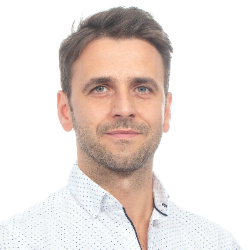 Stefano Sammicheli, PhD, Director, Ichnos Sciences
Senior Director
Ichnos Sciences SAStefano Sammicheli obtained a PhD in Immunology from the Karolinska Institute in Stockholm, and trained as postdoctoral fellow at the San Raffaele Scientific Institute and the Francis Crick Institute where he joined the Group of Prof. Caetano Reis e Sousa to work on cancer immunity. In 2018 he joined Roche Innovation Center Zurich as a Senior Scientist developing antibody-based programs for cancer immune therapies. Currently he is the Director of Innate Cell Engagers at Ichnos Sciences, and he is leading several therapeutic antibody discovery programs, one of which has reached FDA approval and Phase I trial.
 Yi Shi, PhD, Associate Professor, Protein Engineering, Icahn School of Medicine, Mount Sinai
Associate Professor
Icahn School of Medicine at Mount SinaiDr. Yi Shi is an Associate Professor and Director of the Center for Protein Engineering and Therapeutics at the Icahn School of Medicine at Mount Sinai. His lab develops cutting-edge technologies in protein and antibody engineering, with a focus on camelid VHH antibodies, commonly known as nanobodies.
Dr. Shi’s team has pioneered proteomics and machine learning–based platforms for the high-throughput discovery of nanobody repertoires. These approaches enable the identification of thousands of high-affinity nanobodies targeting diverse epitopes on disease-associated antigens. His lab applies these technologies to tackle key challenges in cancer biology, virology, and diabetes, with the goal of advancing both fundamental understanding and the development of next-generation therapeutics.
Dr. Shi received his PhD from Baylor College of Medicine in 2011.
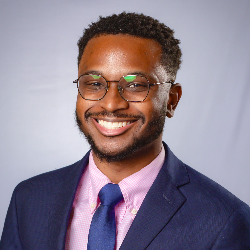 Clinton Smith, Research Associate, Biomedical Engineering, University of Florida
Research Associate
University of FloridaClinton T. Smith is a third-year Biomedical Engineering Ph.D. candidate at the University of Florida. He works under Dr. Jamal Lewis in the Immunomodulatory Biomaterials Laboratory (IMBL) where his thesis entails engineering a hybrid microbe-biomaterial drug delivery platform. Clinton earned his B.S. in Biomedical Engineering from the Georgia Institute of Technology where he was first introduced to immunology and biomaterials. In Dr. Krish Roy's lab, he assisted in developing a novel synthetic nanoparticle that mimicked the function of monoclonal antibodies towards treating severe musculoskeletal trauma and investigated the effects of nanoparticle-based adjuvants to enhance the immune response to COVID-19 vaccines. Since then, Clinton has authored several research articles in publications such as Journal of Controlled Release, Advanced Science, and Advanced Drug Delivery Reviews. Clinton has also received numerous recognitions and awards such as the NSF Graduate Research Fellowship, NIH Basic Microbiology and Infectious Disease T32 Fellowship, and the 2024 Invention of the Year at the University of Florida. After his Ph.D., he plans to start a research group developing biomaterial-based approaches to engineer cell therapies.
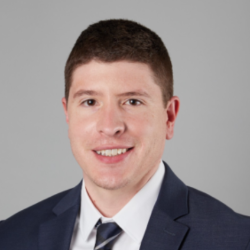 David Sommerhalder, MD, Clinical Investigator, Oncology, NEXT Oncology
Clinical Investigator
NEXT OncologyMy name is David Sommerhalder and I am the director of clinical research for NEXT Oncology San Antonio. Most of my time is spent being a clinical investigator on Phase 1 oncology studies for solid tumors. I have been fortunate to be a principal investigator on over 50 trials and a sub-investigator on over 200 trials. I entered Phase 1 research with the goal of bringing new treatments to cancer patients quickly, and while doing this I have been inspired by patients' willingness to participate to help others as well as their families' support. I completed my residency and fellowship training at LSU Shreveport. I was born and raised in Texas. I have three wild children, including two-year-old identical twins.
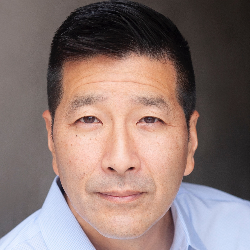 Paul Y. Song, CEO & Chairman, NKGen Biotech
CEO & Chairman
NKGen Biotech IncPaul Y. Song, MD is Chairman and CEO of NKGen Biotech. He is the Co-Founder/former CEO of Fuse Biotherapeutics where he still serves as a senior advisor. He is also on the board of PeproMeme Bio. Dr. Song’s last clinical role was Asst. Professor at the Samuel Oschin Cancer Center at Cedars Sinai Medical Center. Dr. Song graduated with honors from the University of Chicago and received his M.D. degree from George Washington University. He completed his residency in radiation oncology at the University of Chicago where he served as Chief Resident and did a brachytherapy fellowship at the Institute Gustave Roussy in Villejuif, France. He was also awarded an ASTRO research fellowship in 1995 for his research in radiation inducible gene therapy.
 Sri Sriadibhatla, PhD, Investment Director, Healthcare Investment Group, Ben Franklin Technology Partners
Investment Director
Ben Franklin Technology PartnersSri Sriadibhatla is Director, Healthcare Investment Group at Ben Franklin Technology Partners of Southeastern Pennsylvania. In this role, he focuses on identifying, evaluating, and supporting early-stage healthcare companies with high-impact potential. Prior to joining Ben Franklin, Sri was a Technology Scout at FMC Corporation, where he played a key role in developing and implementing an Open Innovation model to drive strategic growth. He brings over 15 years of experience in technology evaluation, licensing, investment, and commercialization across the life sciences sector. Sri is a registered pharmacist and holds a PhD in Pharmaceutical Sciences (Center for Drug Delivery and Nanomedicine) from the University of Nebraska Medical Center.
 Siri Tahtinen, PhD, Principal Scientist, Genentech
Principal Scientist
GenentechSiri Tahtinen, PhD, has extensive experience in translational immunology both from academia and industry, specializing in nanoparticle vaccines, immuno- and gene therapies and oncolytic viruses. Her current research focuses on the mechanism-of-action of different nucleic acid-based immunotherapies. Siri obtained her Bachelor of Science (BSc) and Master of Science (MSc) in Biochemistry at University of Turku, Finland and her PhD in Biomedicine at the University of Helsinki, Finland. Siri recently completed her postdoctoral training at the Cancer Immunology department at Genentech, in the research group of Ira Mellman, while working in close collaboration with Lelia Delamarre’s lab and other internal and external partners. She currently holds a position of Principal Scientist at the department of Immunology Discovery at Genentech Inc. Her lab is focused on investigating novel biology and potential therapeutic targets to treat inflammatory and autoimmune diseases by inducing antigen- and/or tissue-specific immune tolerance and immunosuppression.
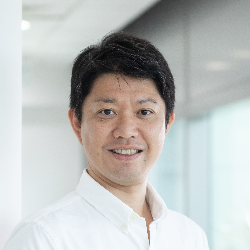 Noriyuki Takahashi, Director, Research Head, Chugai Pharmabody Research Pte Ltd.
Research Head
Chugai Pharmabody Research Pte LtdNoriyuki Takahashi joined Chugai Pharmaceutical in 2007 and has more than 18 years of experience in the pharmaceutical industry. After spending the initial part of his career in drug development research, he now focuses his research on antibody drug discovery. His extensive experience and expertise in identifying new therapeutic antibodies have led him to develop technologies in antibody generation and high-throughput screening. He has submitted >10 patents in antibody drug discovery and has identified lead molecules in several pre-clinical and clinical stage projects. Noriyuki is currently leading the Research Division in Singapore as a Research Head.
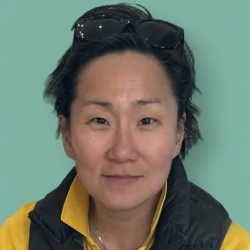 Jo B.L. Tan, PhD, Senior Vice President, R&D, Parvus Therapeutics
SVP
Parvus TherapeuticsJoanne brings more than 15 years of industry experience building R&D teams and advancing drug candidates through development and clinical proof-of-concept studies. Prior to Parvus, Joanne served as Head of Translational Sciences at Nkarta and Sana Biotechnology and Head of Clinical Biomarker at Schrodinger. At Arcus Biosciences, Joanne served in a series of leadership roles developing biomarker strategies and advancing the pre-clinical pipeline. Joanne earned her BSc with honors and PhD in Immunology and Developmental Biology from Trinity College at the University of Toronto.
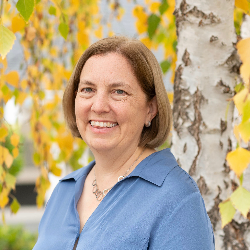 Kristin V. Tarbell, PhD, Associate Director, Discovery, Amgen
Associate Director
AmgenKristin earned her Doctorate in Immunology from Stanford and completed her post-doctoral work at Rockefeller University with Dr. Ralph Steinman. She was then a principal investigator at the National Institute of Diabetes and Digestive and Kidney Diseases (NIDDK), during which time she was awarded the Presidential Early Career Award for Scientists and Engineers (PECASE). Her research focused on antigen presentation and Tregs in autoimmune diabetes. Kristin is now an investigator in Amgen Oncology Research where she focuses on immuno-oncology and how modulation of the tumor microenvironment can contribute to successful cancer immunity. She has led pre-clinical therapeutic programs utilizing diverse modalities, including antibody, T cell engager, cell therapy and small molecule.
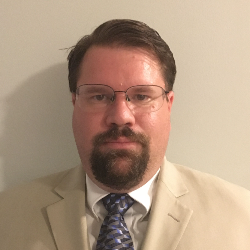 Craig Thalhauser, PhD, Senior Director, Clinical Pharmacology & Quantitative Sciences, Genmab US Inc
Senior Director
Genmab US IncDr. Craig Thalhauser has spent his career using mathematical modeling to understand interactions in the immune system across different disease areas. After completing an M.S. in Cellular and Molecular Physiology at Tufts University, a PhD in Mathematics at Arizona State University, and postdoctoral training at UC Irvine, he began his industry career at Immunetrics, Inc, a biosimulation company focused on designing and using mathematical models of acute and chronic inflammation. He then moved to Bristol-Myers Squibb, leading mechanistic modeling efforts (also known as Quantitative Systems Pharmacology, QSP) in the autoimmune disease therapeutic area. He moved to Genmab in early 2020 to establish and grow a QSP presence there across a wide range of therapeutic modalities.
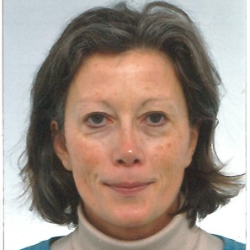 Mireille Vankemmelbeke, PhD, Principal Scientist, Scancell, Ltd.
Principal Scientist
Scancell LtdMireille Vankemmelbeke obtained her PhD from the University of Sheffield (UK), after graduating (BPharm) from the University of Ghent, Belgium. She completed several postdoctoral positions at the Universities of Sheffield and Nottingham, before joining Professor Durrant’s cancer immunotherapy lab, where she focused on generating cancer-targeting anti-glycan antibodies and Fc-engineering to enhance their functionality. Mireille joined Scancell Ltd. in 2018, where, as Principal Scientist, she currently oversees the GlyMab and AvidiMab platforms.
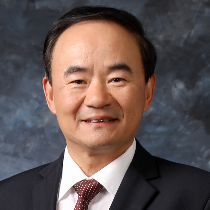 Jieyi Wang, PhD, Founder & CEO, Lyvgen Biopharma
Founder & CEO
Lyvgen BiopharmaJieyi Wang, PhD Founder, Chairman and CEO of Lyvgen Biopharma Dr. Jieyi Wang is the founder, Chairman and CEO of Lyvgen Biopharma. He earned his PhD degree from Stony Brook University in New York after graduated from Shanghai Medical University (now Fudan University Shanghai Medical School). Prior to founding Lyvgen in 2016, Dr. Wang worked at Abbott/ AbbVie for 22 years in Oncology R&D and led research teams to deliver various antibody protein drugs into clinical development, including monoclonal antibodies, bi-specific antibodies and antibody drug conjugates (ADC). His recent work focuses on tumor immunology and Immuno-Oncology (IO) Discovery, contributing to the better understanding of tumor immuno-infiltration, tumor immunity and structure and function of IO therapeutic antibodies including new generation of multifunctional agonistic antibodies including LVGN6051 and LVGN7409 in clinical development. Dr. Wang is the author of 50 manuscripts and 30 patent publications.
 Ezgi Wood, PhD, Associate Director, QSP, Bristol Myers Squibb
Associate Director
Bristol Myers SquibbEzgi Wood is an Associate Director in Quantitative Systems Pharmacology (QSP) at Bristol Myers Squibb. In her position, she develops and employs mechanistic mathematical models for supporting both preclinical and clinical drug development, with a current focus on antibody-drug conjugates. Prior to working at BMS, she was a postdoctoral researcher at UT Southwestern Medical Center. She received her PhD in Mathematics from Duke University.
 Jennifer Wu, PhD, Mary and Patrick Scanlan Professor, Urology and Immunology, Northwestern University
Dr.
Northwestern UniversityDr. Wu’s research focuses on understanding how cancer cells disable the immune system with the ultimate goal of developing effective immunotherapy of cancer. Her work was the first to show that tumors shed NKG2D ligand sMIC to perturb the maintenance of tumor-killing NK cells and to facilitate tumor metastasis. Her research team has developed the novel multi-modal sMIC-targeting antibody that demonstrated remarkable efficacy in reducing tumor burden and eliminating metastasis as a single agent. The antibody will be entering clinical testing in Summer 2025. Dr. Wu’s group has been focused on understanding the impact of this pathway on NK cell, CD8 T cell, and macrophages in tumor microenvironment.
 Peng Wu, PhD, Professor, Department of Molecular & Cellular Biology, The Scripps Research Institute
Professor
The Scripps Research InstitutePeng Wu is a Professor in the Department of Molecular & Cellular Biology. Before joining the faculty at TSRI, Peng was an Associate Professor of Biochemistry and the Scientific Director of the Chemical Biology Core Facility at Albert Einstein College of Medicine, New York. The research in the Wu laboratory integrates synthetic chemistry with glycobiology to explore the cellular and molecular mechanisms that control immune responses toward cancer and human pathogens. His recent awards include: 2020 Horace S. Isbell Award, Division of Carbohydrate Chemistry, American Chemical Society, 2021 Horizon Prize (Robert Robinson Award in Synthetic Organic Chemistry), the Royal Society of Chemistry (with the teams of K. Barry Sharpless, Jeff Kelly, John Moses, Jianmei Lu, Dennis Wolan, Bruce Hammock and Han Zuilhof) and 2021 Glycobiology Significant Achievement Award, the Society for Glycobiology.
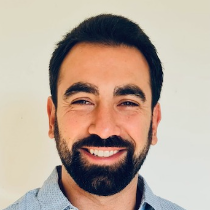 Mark Yarmarkovich, PhD, Principal Investigator, Assistant Professor, NYU School of Medicine
Principal Investigator, Assistant Professor
NYU School of MedicineMy work focuses on developing T cell immunotherapies for intractable cancers. I have experience at all stages of development, from target discovery, immune receptor engineering, preclinical and IND-enabling studies. I have developed methods for developing immunotherapies for low mutational solid tumors that I expect will apply across many tumor types. Our lead CAR candidate is slated to enter clinical trials in 2022/23. My expertise spans cancer biology, biotechnology, bioinformatics, and immunology. My PhD work at the University of Pennsylvania focused on developing strategies for developing immunotherapies in immunologically cold tumors and my previous work at Genentech involved antibody engineering for increased potency and specificity.
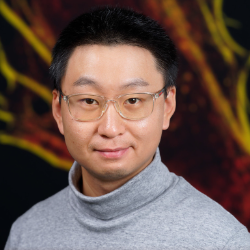 Jiaquan Yu, PhD, Research Scientist, Massachusetts Institute of Technology
Research Scientist
MIT - KIJason Yu is a research scientist at MIT’s Koch Institute. His research integrates tissue engineering, biophysics, and machine learning to advance cell-based therapies and study tumor-T cell immunology. Holding a PhD in Biomedical Engineering from UW-Madison, Jason has over a decade of cross-disciplinary publications spanning materials science, physics, and cell biology. He specializes in the precise ex vivo manipulation of physical and chemical microenvironments to uncover the mechanistic drivers of cell-cell interactions.
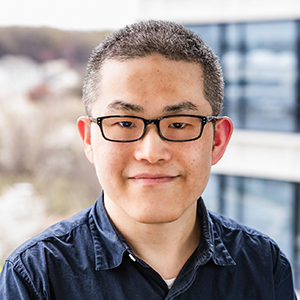 Peng Zhao, PhD, Senior Scientist, Antibody Discovery & Engineering, AstraZeneca
Senior Scientist
AstraZenecaDr. Zhao is a Senior Scientist from Protein Engineering and Novel Modalities team within the Biologics Engineering (BE) department at AstraZeneca (Gaithersburg site). He leads projects focused on multi-specific therapeutic antibodies across various therapeutic areas, including oncology and immunology. Prior to joining AstraZeneca in August 2022, Dr. Zhao conducted postdoctoral research at the University of Texas Health Science Center in Houston. There, he spearheaded projects focused on developing antibody therapeutics for Alzheimer's disease. He earned his Ph.D. in Pharmaceuticals and Pharmaceutical Chemistry from the University of Utah.
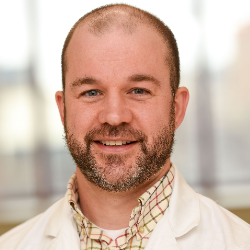 Nicholas A. Zorko, PhD, Assistant Professor, Hematology & Oncology & Transplant, University of Minnesota Twin Cities
Asst Prof
University of Minnesota Twin CitiesNicholas Zorko is an Assistant Professor of Medicine at the University of Minnesota Masonic Cancer Center specializing in genitourinary oncology and cellular therapies. He treats a unique combination of patients consisting of both genitourinary oncology and bone marrow transplant/cellular therapy recipients. He completed his MD and PhD at The Ohio State University and his clinical residency and fellowship at the University of Minnesota. His translational laboratory focuses on the development of natural killer (NK) cell engager molecules and off-the-shelf, engineered NK cells to treat prostate cancer and other GU malignancies. He is a 2022 Prostate Cancer Foundation Young Investigator and the recipient of a United States Department of Defense Early Investigator Research Award. His clinical trial work includes several industry-sponsored Phase I immune engager and chimeric antigen receptor (CAR) T cell products to treat late-stage prostate cancers and other refractory solid tumors and a pending investigator-initiated NK cell engager trial.